There is something irresistibly glamorous about 1920s fashion. Think swinging fringe, polished Mary Janes, glowing Art Deco jewels and silhouettes that moved with every Charleston step. Yet the real charm of the decade goes beyond sequins and flapper costumes. Women’s fashion in the 1920s reflected a fascinating change in society: wardrobes became more practical, silhouettes more relaxed and personal style more adventurous.
As a Parisian who loves mixing vintage details with contemporary pieces, I often find myself returning to this decade for inspiration. A drop-waist dress can feel wonderfully modern with ankle boots, while a simple string of pearls instantly gives a blazer a little old-Hollywood attitude. The secret is not to dress like you have stepped onto a film set, but to borrow the details that still feel fresh today.
Ready to explore the fashion trends that defined the Roaring Twenties? Let’s open the wardrobe doors and discover how to bring a little Jazz Age magic into your everyday style.
The New Silhouette: Relaxed, Straight and Effortlessly Chic
At the beginning of the 1920s, women’s clothing still carried some of the structured elegance of the previous decade. As the years progressed, however, the fashionable silhouette became straighter and less restrictive. Corsets gradually lost their importance, waistlines dropped and dresses skimmed rather than sculpted the body.
The iconic 1920s shape was often tubular, with a low waist sitting around the hips. This did not mean that style disappeared. On the contrary, movement, texture and decoration became central to the look. Dresses were designed to sway, shimmer and catch the light on the dance floor.
For a modern interpretation, look for:
- Drop-waist dresses with a relaxed fit.
- Simple shift dresses that fall loosely from the shoulders.
- Longline silhouettes worn with a slim belt at the hips.
- Fluid skirts and trousers that offer comfort without losing elegance.
One of my favourite styling tricks is to wear a loose beaded or satin dress with a more structured jacket. It creates that beautiful contrast between the relaxed 1920s line and a sharper contemporary shape. Comfortable and polished? That is a fashion victory in my book.
Flapper Dresses: More Than Fringe and Sequins
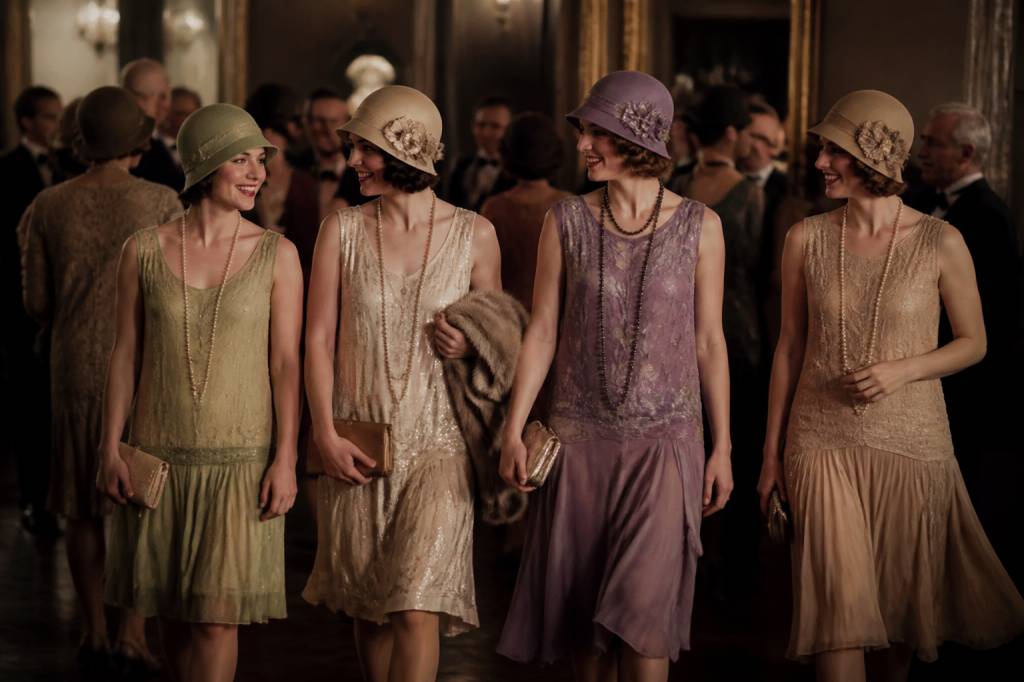
When people imagine 1920s fashion, the flapper dress usually comes to mind first. These dresses were often sleeveless or short-sleeved, cut straight through the body and decorated with embroidery, beads, metallic thread or rows of fringe. The hemline became shorter during the decade, allowing women to move more freely and show off fashionable shoes.
Fringe was especially popular because it transformed movement into part of the outfit. Every step created a little ripple, making the dress feel alive. Beaded dresses, meanwhile, reflected the era’s love of glamour and the growing influence of cinema, jazz clubs and Art Deco design.
You do not need a fully sequined dress to capture the spirit of the era. Try a few thoughtful details:
- Choose a black, champagne or jewel-toned dress with subtle beading.
- Add a fringe bag or fringed earrings to a minimalist outfit.
- Wear a slip dress with a low hip seam for an understated vintage mood.
- Look for geometric embroidery instead of head-to-toe sparkle.
For daytime, a simple knit or cotton dress with a low waist is easier to wear than a dramatic evening gown. Add loafers and a short jacket, and the look becomes charming rather than costume-like. For an evening event, bring out the sequins—but perhaps leave the feather boa at home unless the occasion truly calls for it!
Cloche Hats: The Accessory That Framed the Face
The cloche hat was one of the defining accessories of the 1920s. Its close-fitting, bell-shaped design sat low over the head and often covered the forehead. Because the brim framed the face so closely, hairstyles and makeup were styled to work with the hat’s distinctive shape.
Cloche hats were made in felt, straw, wool and sometimes richly decorated fabric. They could be plain and practical or embellished with ribbons, bows, flowers and brooches. A carefully chosen hat instantly gave an outfit a polished, vintage finish.
Today, you can reinterpret the cloche without feeling overdressed. A simple wool cloche works beautifully with a long coat in autumn, while a straw version can add personality to a summer dress. If a full hat feels too theatrical, try a close-fitting beret or a structured bucket hat in a neutral shade.
My personal tip? Choose a hat that complements your face rather than hiding it completely. The 1920s look was all about creating a harmonious frame, not disappearing beneath an accessory.
Bobbed Hair and the Confidence of a New Era
The short bob became one of the most recognisable beauty trends of the decade. Cutting the hair short was more than a practical decision; it became a visible expression of modernity and independence. Finger waves, sleek side parts and soft curls gave short hairstyles an elegant finish.
Women who did not want to cut their hair could still participate in the trend with pinned-up styles, faux bobs and decorative headbands. This is good news for anyone who loves vintage beauty but is not ready to make a dramatic salon appointment on a whim.
For a contemporary 1920s-inspired hairstyle, consider:
- Soft finger waves with a deep side part.
- A low, sleek bun decorated with a jeweled clip.
- A faux bob created by pinning longer hair underneath.
- A satin headband worn with loose waves.
The key is precision. Even a simple hairstyle feels distinctly Jazz Age when the parting is neat and the finish is smooth. A touch of styling cream can do more for the look than an entire drawer of accessories.
Art Deco Accessories: Geometry Meets Glamour
The 1920s were deeply influenced by Art Deco, a design movement known for geometric shapes, symmetry and luxurious materials. This influence appeared everywhere in fashion, from embroidered dresses to handbags, earrings and hair accessories.
Jewellery often featured bold lines, fan shapes, rectangles and stepped patterns. Black and white combinations were especially striking, while emerald green, ruby red, sapphire blue and gold added drama. Long necklaces were also a signature of the period, particularly strings of pearls worn down the front of a simple dress.
To introduce Art Deco style into your wardrobe, look for:
- Geometric drop earrings.
- Long pearl necklaces or layered chains.
- Brooches with symmetrical designs.
- Clutches with metallic clasps or angular details.
- Hairpins decorated with crystals or rhinestones.
A long necklace is one of the easiest pieces to style today. Wear it over a black knit dress, a crisp white shirt or even a modern jumpsuit. It creates a vintage reference while remaining wonderfully wearable. Fashion magic does not always require a full transformation; sometimes one glimmering detail is enough.
Footwear for Dancing, Strolling and Everyday Elegance
As hemlines rose, shoes became more visible and therefore more important. Women’s footwear in the 1920s needed to be both attractive and practical, especially for dancing. T-bar shoes, Mary Janes and low-heeled pumps were popular choices.
These styles featured straps that helped keep the foot secure during energetic evenings. Heels were generally modest compared with some later decades, and rounded toes were common. Materials included leather, satin and metallic finishes, with decorative buckles adding a refined touch.
Modern versions are easy to find and surprisingly versatile. Pair T-bar shoes with wide-leg trousers, Mary Janes with ankle socks or low pumps with a midi skirt. If you love the look but need extra comfort, search for cushioned insoles and block heels. There is no reason vintage glamour should come with a painful walk home through Paris.
Daywear: Sportswear Begins to Enter the Wardrobe
One of the most interesting developments of the 1920s was the growing popularity of casual and sports-inspired clothing. Women began wearing practical garments for activities such as tennis, swimming, cycling and seaside holidays. Knitwear, jersey fabrics and simple separates became more accepted in everyday life.
Coco Chanel played an important role in popularising relaxed jersey pieces, sailor-inspired designs and comfortable sportswear. The idea that clothing could be elegant while allowing freedom of movement became increasingly appealing.
For a modern daywear look inspired by the decade, combine:
- A fine-knit sweater with a pleated or straight midi skirt.
- Wide-leg trousers with a silk blouse.
- A sailor-style top with high-waisted trousers.
- A relaxed cardigan with a pearl necklace and loafers.
These combinations capture the practical side of 1920s fashion without relying on theatrical eveningwear. They are ideal for shopping trips, coffee dates and those wonderfully long afternoons when one shop somehow becomes six.
Fabrics and Colours That Capture the Jazz Age
Silk, satin, velvet, chiffon, wool and lightweight jersey were all important materials during the decade. Eveningwear often focused on luxurious textures, while daywear favoured practical fabrics that allowed women to move comfortably.
The colour palette was beautifully varied. Black became increasingly fashionable for evening dresses, while ivory, cream, navy and soft pastels worked well for daytime. Rich jewel tones and metallic shades added glamour to special-occasion clothing.
If you are building a vintage-inspired wardrobe, start with a flexible base:
- Black or navy for elegant foundations.
- Ivory and cream for a softer, romantic effect.
- Gold or silver through jewellery and shoes.
- Emerald, burgundy or sapphire for a confident accent.
Texture is just as important as colour. A velvet handbag, satin shoe or beaded collar can make a simple outfit feel far more luxurious. I often prefer one beautiful texture over several loud prints; it keeps the look sophisticated and lets each detail breathe.
Makeup Inspired by the 1920s
The beauty look of the decade was expressive and unmistakably glamorous. Thin, carefully shaped eyebrows, rounded cupid’s-bow lips, dark eye makeup and a softly powdered complexion were popular. The overall effect was dramatic but polished.
You can adapt the look without recreating every detail. Try a softly defined smoky eye, a deep berry or red lipstick and a touch of blush placed slightly higher on the cheeks. Keep the base fresh rather than overly matte, especially if you want the result to feel current.
A classic lip is often the easiest shortcut to vintage glamour. Choose a shade that makes you feel confident, then keep the rest of the makeup balanced. After all, your face should look like you—just with an extra invitation to dance.
How to Wear 1920s Trends Without Looking Like You Are in Costume
The most successful vintage-inspired outfits usually combine one or two historical references with modern basics. Wearing every signature trend at once can make the look feel more appropriate for a themed party than for everyday life.
Here are a few easy formulas to try:
- Everyday elegance: a straight midi dress, Mary Janes and a long pearl necklace.
- Modern flapper: a simple fringe skirt with a fitted knit top and ankle boots.
- Art Deco office style: wide-leg trousers, a silk blouse and geometric earrings.
- Weekend vintage: a sailor-inspired sweater, high-waisted jeans and a cloche-style hat.
- Evening glamour: a black beaded dress, metallic shoes and a small structured clutch.
Pay attention to proportion. A loose drop-waist dress looks beautiful with a sleek shoe, while a wide trouser works well with a neat, tucked-in top. Mixing volumes keeps the outfit contemporary and flattering.
Where to Find 1920s-Inspired Pieces Today
You do not need to search exclusively in specialist vintage boutiques. Start with your existing wardrobe and identify pieces that already have the right spirit: a satin camisole, a straight skirt, a beaded bag or a pair of T-bar shoes.
When shopping, explore vintage stores, second-hand platforms and independent designers. Search using terms such as “Art Deco,” “drop waist,” “bias cut,” “beaded clutch,” “Mary Jane” and “1920s-inspired.” Always check measurements carefully when buying vintage, as sizing has changed considerably over the decades.
Inspect the fabric, seams, lining and fastenings. Delicate beading may need extra care, and older satin can be fragile. A beautiful piece is worth bringing home, but only if it can survive real life—and your next enthusiastic shopping adventure.
Bring the Roaring Twenties Into Your Own Style
The enduring appeal of 1920s fashion lies in its balance of freedom and glamour. Women embraced looser silhouettes, practical clothing, shorter hair and expressive accessories, while still enjoying the sparkle of evening dressing. That combination feels remarkably relevant today.
Start small: add a geometric brooch, try a bob-inspired hairstyle or wear pearls with your favourite jeans. Once you discover which details feel natural to you, build from there. Vintage fashion should inspire your personality, not disguise it.
Whether you are drawn to the elegance of a cloche hat, the energy of fringe or the clean lines of Art Deco jewellery, the Jazz Age offers endless possibilities. Choose the elements that make you smile, add a modern twist and let your wardrobe tell its own stylish story.