There is something irresistible about 1920s fashion. Perhaps it is the sparkle, the movement, or the audacity of women who decided that clothing should feel as free as their new lives. Whenever I see a beaded dress, a dropped waist, or a slim cloche hat, I am instantly transported to a smoky Parisian jazz club, even if I am actually standing in front of my wardrobe wondering what to wear for dinner.
The Roaring Twenties gave us much more than fringe and glitter. It introduced a new attitude: relaxed, confident, playful, and wonderfully unafraid of breaking the rules. The flapper style remains one of my favourite historical fashion references because it is both unmistakably vintage and surprisingly easy to reinterpret today. You do not need to dress like you are attending a 1927 supper club from head to toe. A few carefully chosen details can bring that sense of freedom into a modern wardrobe.
Why 1920s fashion felt so revolutionary
Fashion always reflects its era, and the 1920s were a period of enormous social change. After the First World War, women’s lives and expectations began to shift. In many countries, women gained greater political rights, entered professional spaces, and embraced more independence in their daily routines. Clothing had to keep up.
The restrictive corsets and elaborate layers associated with earlier decades gradually gave way to looser silhouettes. Skirts became shorter, waistlines dropped, and movement became a priority. Women could dance, walk, work, and travel with far fewer limitations. The result was a style that looked modern because it felt modern.
Of course, the popular image of the 1920s is often simplified. Not every woman wore a sparkling dress every evening, and access to fashionable clothing varied greatly according to class, location, and culture. Still, the decade created an influential visual language: straight lines, fluid fabrics, bold accessories, and a spirit of experimentation. That is the part I love bringing into everyday outfits.
The flapper silhouette: relaxed but never careless
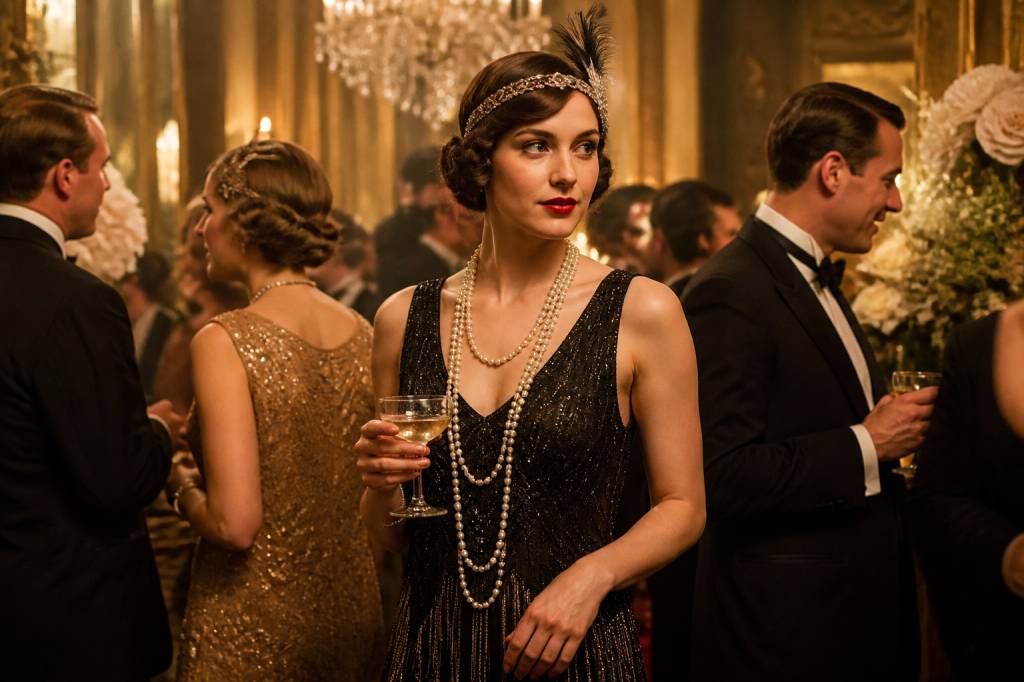
The classic flapper silhouette was quite different from the hourglass shapes that came before it. Dresses often skimmed the body rather than defining the waist. The waistline sat low on the hips, creating a long, tubular shape. This design allowed the wearer to move freely and gave evening clothes an elegant, almost liquid quality.
It is easy to assume that this shape only suits very slim or very tall figures, but that is not true. The charm of the dropped waist comes from its vertical line and ease, not from a particular body type. A modern dress with a loose fit, a softly lowered waist, or a straight cut can capture the same feeling without looking costume-like.
When I want a subtle 1920s influence, I often look for a simple black dress with a relaxed shape. Add a long necklace, pointed shoes, and a small evening bag, and suddenly the outfit has a little more rhythm. The trick is to let one or two details do the talking rather than turning yourself into a walking fancy-dress party.
Fringe, beads, and the magic of movement
Fringe is probably the most recognisable flapper detail, and it is still one of the most joyful. On the dance floor, rows of fringe swung with every step, turning movement into part of the outfit. Even today, a fringed hem can make a simple dress feel immediately festive.
Beading was equally important. Art Deco-inspired patterns featured geometric lines, fans, sunbursts, and symmetrical motifs. Sequins and glass beads caught the light beautifully, especially in evening settings. These embellishments were not quiet; they were designed to shimmer.
For contemporary styling, you can choose a dress with fringe at the hem, a beaded clutch, or even a pair of earrings with geometric detailing. I recently wore a black midi dress with a narrow fringed panel to a friend’s birthday dinner. It was not a historical replica, but the fringe moved every time I walked, and I received more compliments than expected. There is something about a garment that reacts to your movement—it feels alive.
- Choose fringe for parties, weddings, or evening dinners.
- Pair beading with understated pieces so the outfit remains polished.
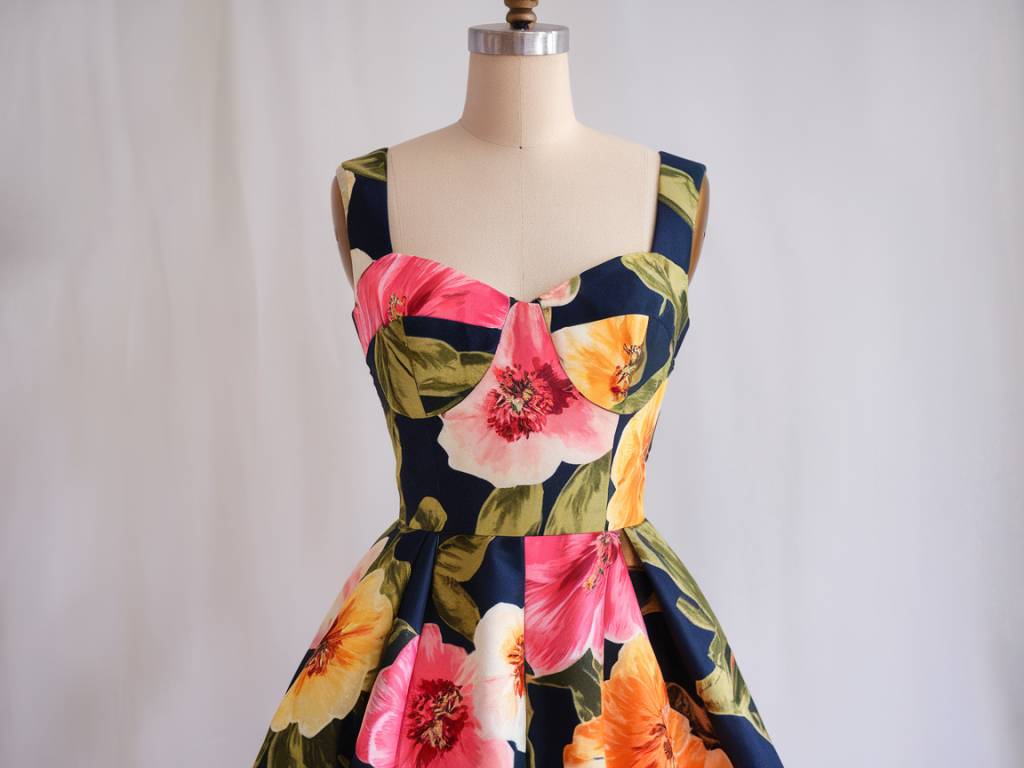
- Look for Art Deco-inspired geometric patterns rather than overly literal vintage prints.
- Keep the rest of your accessories simple when your dress already sparkles.
The cloche hat: small, chic, and surprisingly flattering
The cloche hat was one of the defining accessories of the 1920s. Its name comes from the French word for “bell,” which describes its close-fitting shape. It framed the face, covered the hair, and often featured a narrow brim, ribbon, bow, or decorative flower.
Unlike large, wide-brimmed hats, the cloche had a sleek and intimate presence. It was made to be worn low over the forehead, creating a mysterious and elegant expression. Today, it may not be the easiest accessory to introduce into an everyday wardrobe, but the idea can be adapted beautifully.
Try a close-fitting wool hat in winter, a simple bucket hat with a structured brim, or a small felt hat worn at a slight angle. The key is proportion. Since the cloche sits close to the head, it works especially well with clean coats, tailored trousers, and simple dresses. A dramatic hat plus a dramatic outfit can quickly become theatrical, while a restrained look lets the accessory feel intentional.
Bobbed hair and the beauty of simplicity
The short bob became a powerful symbol of modern femininity during the 1920s. Hair no longer had to be long, elaborate, and carefully pinned into place. The bob looked fresh, practical, and a little rebellious. It also highlighted the face and made accessories such as earrings and headbands far more visible.
You do not need to cut your hair to borrow this idea. A sleek low bun, a smooth ponytail, or softly waved hair can create the same polished effect. For an evening event, try a side part with vintage-inspired waves. If you have shorter hair, a simple metallic hair clip or a narrow embellished headband can instantly add a hint of Jazz Age glamour.
I particularly love the way 1920s beauty balanced strong details with a clean finish. Defined eyes, a softly powdered complexion, and a deep berry or red lip created a confident look without requiring an enormous collection of products. In modern terms, it is a reminder that one expressive detail can be more effective than ten competing ones.
Art Deco accessories that still look modern
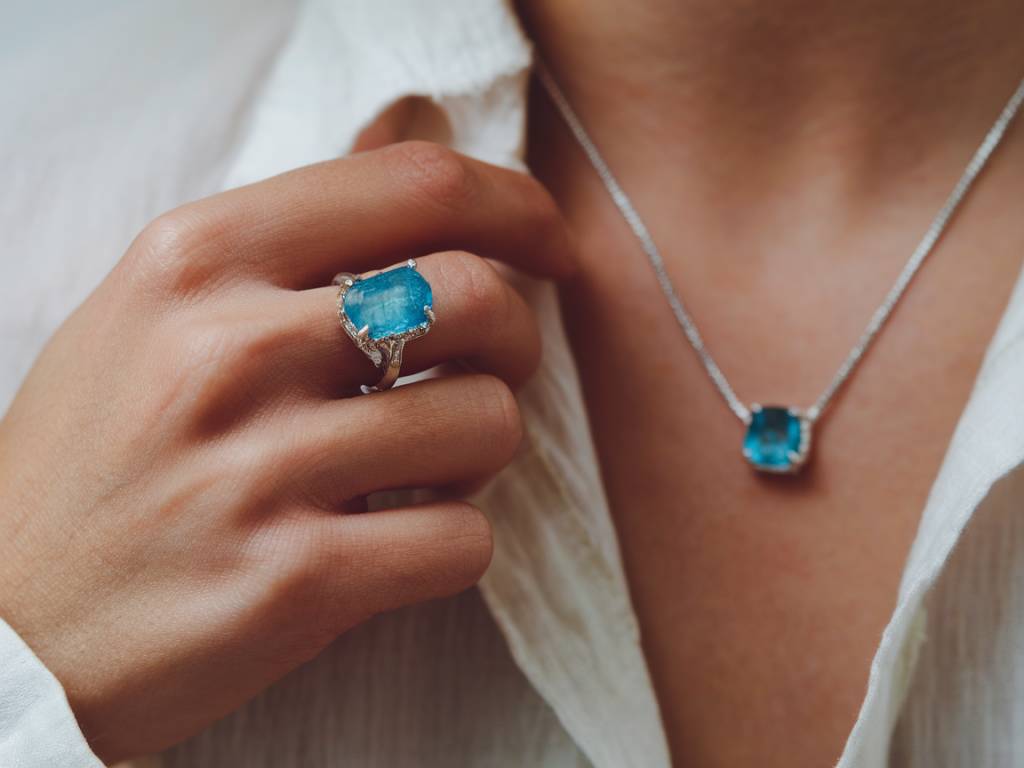
Accessories were essential to flapper style. Long pearl necklaces, geometric earrings, feathered headpieces, cuff bracelets, and small handbags all helped create the distinctive look. The best part is that many of these pieces still fit naturally into contemporary outfits.
A long necklace can be worn over a plain knit dress or layered with shorter chains. Pearl earrings can soften a tailored suit, while geometric gold or silver earrings add a sharper, more modern edge. If you prefer subtle references, choose accessories with fan shapes, stepped lines, or symmetrical patterns inspired by Art Deco design.
Small bags were another important feature. The compact evening bag was practical enough to carry the essentials and elegant enough to complete the outfit. Today, a beaded mini bag or structured clutch can transform a basic black dress. It may not hold much more than a phone, lipstick, and a tiny emergency chocolate, but fashion has always involved a few compromises.
- Long pearls create an immediate vintage reference without looking dated.
- Geometric earrings bring Art Deco energy to a minimalist outfit.
- A satin or beaded clutch adds evening glamour to jeans and a silk blouse.
- Headbands work well when you want a playful touch without wearing a full hat.
- Choose metallic details in gold, silver, or gunmetal for a refined finish.
Flapper shoes: elegance with a practical side
The 1920s also brought new attention to shoes that were both decorative and wearable. T-strap shoes, Mary Janes, and low-heeled pumps were popular choices. Their straps helped keep them secure during dancing, which seems like excellent design to me. A beautiful shoe is wonderful; a beautiful shoe that stays on your foot is even better.
For a modern wardrobe, look for Mary Janes with a block heel, square-toe pumps, or delicate ankle-strap shoes. They pair beautifully with midi dresses, wide-leg trousers, and even cropped denim. A metallic finish can create an evening feel, while black leather or burgundy suede works for everyday outfits.
The 1920s were not only about glittering parties. Comfortable shoes made it easier for women to move through increasingly active public and professional lives. That practical spirit is worth keeping. If you cannot walk comfortably in a pair of shoes, they are not glamorous—they are a personal challenge.
How to wear flapper style without looking like you are in costume
The easiest way to modernise 1920s fashion is to mix one historical element with contemporary basics. This keeps the outfit fresh and allows your personality to remain visible.
For example, style a beaded top with tailored black trousers and sleek loafers. Wear a fringed skirt with a simple cashmere sweater. Pair a velvet headband with a modern slip dress. Add long pearls to a crisp white shirt and jeans. These combinations capture the spirit of the decade while remaining completely appropriate for a café date, office gathering, or evening out.
Colour can also make a difference. Traditional 1920s eveningwear often used black, ivory, champagne, silver, gold, deep green, and rich burgundy. These shades still feel luxurious today. If you prefer colour, try a jewel-toned dress with metallic accessories rather than choosing every detail in sequins.
Proportion is another useful tool. Since flapper dresses tend to be loose and straight, balance them with a structured accessory or a sharper shoe. If you choose a dramatic headband, keep your jewellery delicate. If your dress is heavily beaded, let your makeup and hairstyle stay simple.
Daytime ideas inspired by the Jazz Age
1920s inspiration does not have to wait for cocktail hour. A relaxed blouse with a rounded collar, a pleated skirt, or a pair of high-waisted wide-leg trousers can bring a gentle vintage mood to daytime dressing. Add a leather belt, a small handbag, and low heels for an outfit that feels polished but not overly formal.
One of my favourite combinations is a cream blouse tucked into wide-leg trousers, finished with Mary Jane shoes and a structured handbag. It has a little of the Jazz Age elegance, but it still feels Parisian and practical. A soft cardigan or tailored blazer makes the look suitable for cooler days.
For a more casual interpretation, try straight-leg jeans, a silk camisole, a long necklace, and a cropped jacket. The outfit does not announce “1920s,” but the proportions and accessories create a subtle connection. Sometimes fashion references are most successful when they are discovered rather than shouted.
Evening glamour with a contemporary twist
When the occasion calls for something more dramatic, the flapper wardrobe offers endless inspiration. Choose a midi dress with sequins, velvet, satin, or beaded details. A low waist is optional; what matters most is movement and texture.
Keep the silhouette uncomplicated and let the fabric create the impact. A black slip dress with a beaded jacket can feel wonderfully sophisticated. A satin dress with crystal earrings gives a softer interpretation. For a festive event, try a fringed dress with simple pumps and a small metallic bag.
One styling rule I always follow is to think about how the outfit behaves when I move. Does the fringe sway? Does the fabric catch the light? Can I sit, walk, and dance comfortably? The best 1920s-inspired looks are not static. They are made for entrances, laughter, and perhaps one slightly overconfident twirl in front of the mirror.
The enduring appeal of flapper fashion
What makes flapper style timeless is not just its visual charm. It represents independence, movement, and the pleasure of dressing for yourself. The women who embraced these new silhouettes were not all trying to look the same. They were experimenting with identity at a moment when social expectations were changing rapidly.
That message still resonates. Fashion can be elegant without being restrictive, glamorous without being uncomfortable, and inspired by history without being trapped in it. A fringe detail, a geometric earring, a bob-inspired hairstyle, or a pair of Mary Janes can be enough to bring a little 1920s confidence into your day.
So, the next time your wardrobe feels predictable, why not borrow a little sparkle from the Jazz Age? Start with one detail, wear it in your own way, and let the rest of the outfit reflect who you are now. After all, the most beautiful fashion references are not about copying the past—they are about giving its best ideas a new life.