There is something wonderfully addictive about opening a 1920s fashion magazine. The pages may be yellowed, the advertisements wonderfully dramatic, and the silhouettes very different from what we wear today, yet the style advice still feels surprisingly fresh. Whenever I explore vintage magazines, I discover more than pretty dresses: I find clever ideas about confidence, proportions, accessories, and the art of making an entrance.
As a Parisian who is always on the lookout for a new styling trick, I love returning to this decade for inspiration. The Roaring Twenties were not simply about sequins, fringe, and glamorous parties. They represented a major shift in the way women dressed and moved through the world. Fashion became more relaxed, more practical, and far more expressive.
So, what can a 1920s fashion magazine teach us today? Quite a lot. Here are the timeless style lessons I still adore—and regularly borrow for my own wardrobe.
Fashion should reflect a changing lifestyle
The 1920s brought enormous social and cultural changes. Women were entering offices, enjoying new freedoms, dancing, travelling, and participating more visibly in public life. Clothes had to keep up. The restrictive corsets and heavily structured garments associated with earlier decades gradually gave way to looser shapes and lighter fabrics.
The famous flapper silhouette was straight, fluid, and wonderfully liberating. Dresses skimmed the body rather than dramatically highlighting the waist, while hemlines became shorter and sleeves often became less cumbersome. This was not just a question of appearance. It was fashion responding to movement.
That idea remains incredibly relevant. The most stylish outfit is rarely the one that looks perfect only while standing still. It is the one that allows you to walk quickly across Paris, sit comfortably at a café, or dance without constantly adjusting a sleeve.
When I shop for a new piece, I now ask myself a very practical question: can I imagine wearing it during a real day? If the answer is no, the garment may be beautiful, but it probably does not belong in my wardrobe.
The power of a simple silhouette
One of the strongest lessons from 1920s fashion magazines is the visual impact of simplicity. Dresses often had clean, elongated lines, with decoration concentrated around the neckline, hips, cuffs, or hem. The overall shape remained easy to understand, which made every detail count.
This is a useful reminder in an age when trends arrive at remarkable speed. A simple black dress, a fluid midi skirt, or a relaxed column-shaped outfit can look far more striking than a complicated combination of competing details.
To bring the 1920s spirit into a modern wardrobe, try focusing on:
- A straight or softly draped silhouette.
- A dress with a low-key geometric print.
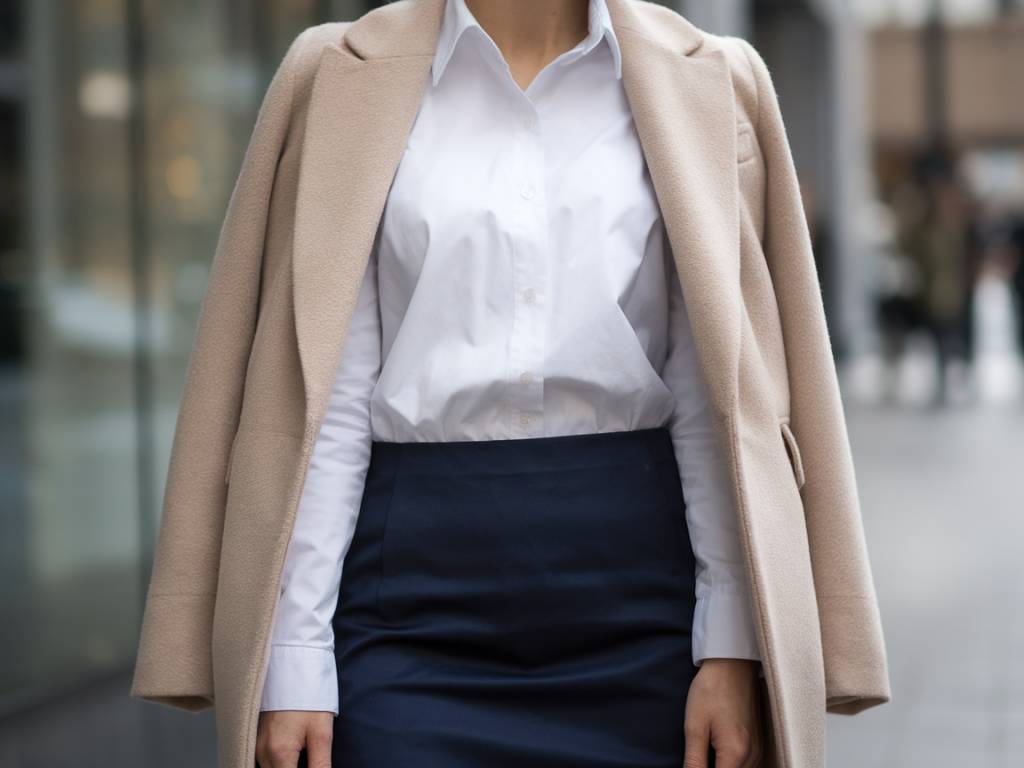
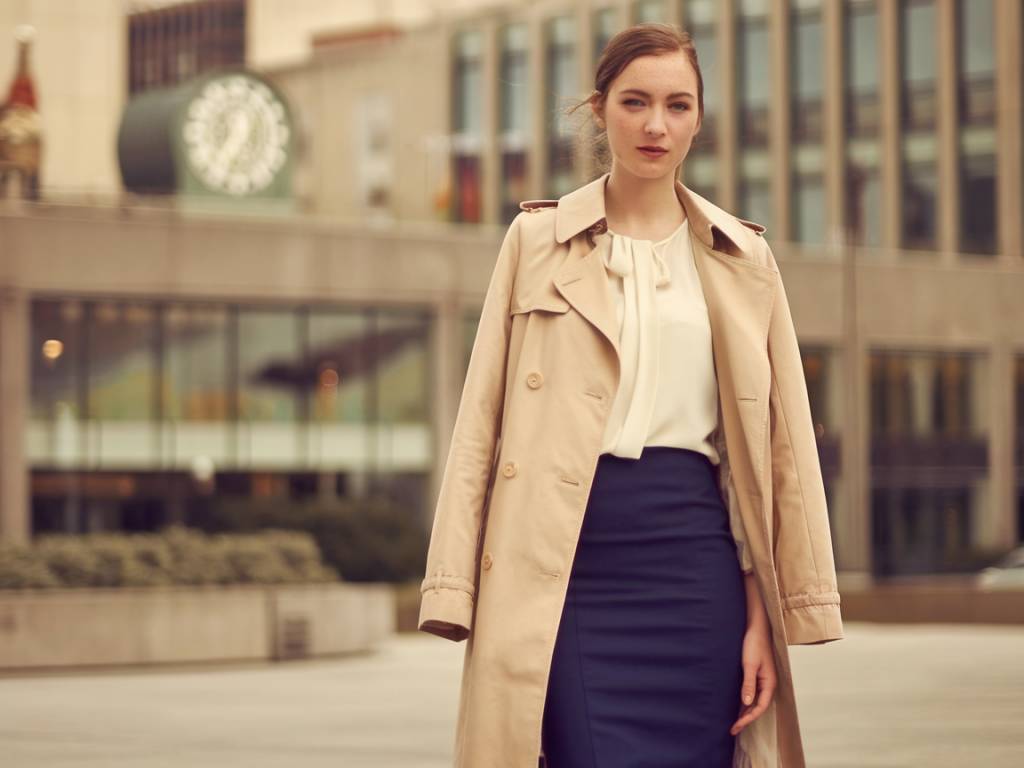
- A longline blazer worn over a simple top.
- A skirt that moves easily instead of clinging tightly.
- One decorative feature, such as beading, pleats, or a statement collar.
The secret is not to copy a historical costume. It is to borrow the clarity of the original shape. A streamlined outfit gives accessories and attitude plenty of room to shine.
Accessories can transform the entire mood
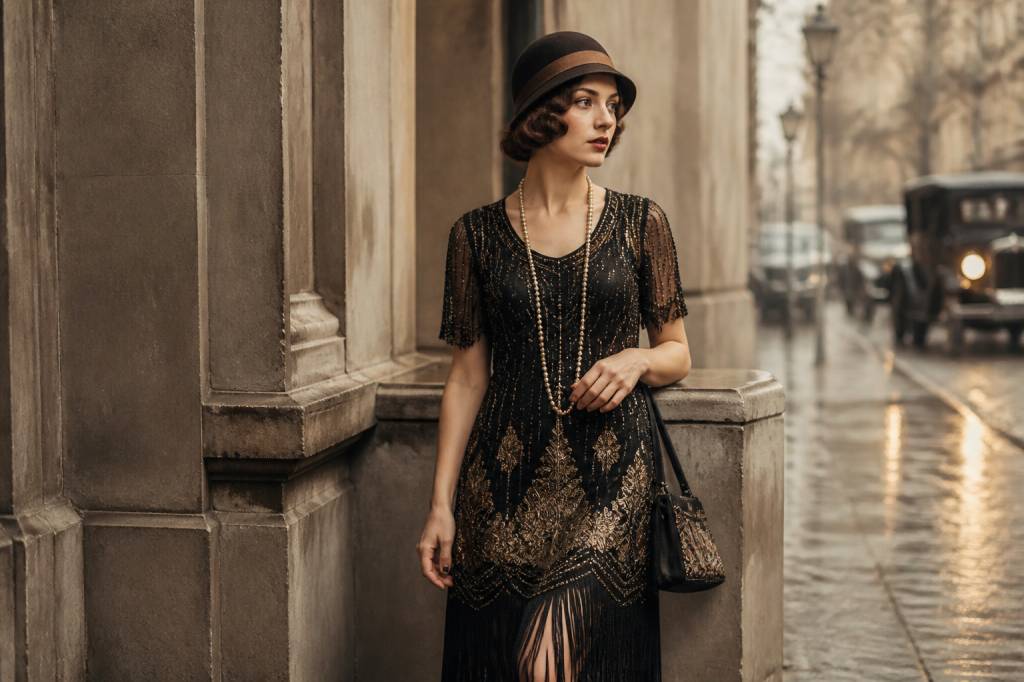
In vintage fashion editorials, accessories were never treated as an afterthought. They were central to the look. A cloche hat could instantly create a polished daytime outfit, while a long strand of pearls or a sparkling hair ornament could turn a simple dress into eveningwear.
This is one of my favourite styling lessons because accessories offer an affordable way to refresh clothes we already own. You do not need a completely new wardrobe to change your appearance. Sometimes, you simply need a different finishing touch.
Try pairing a contemporary outfit with accessories inspired by the decade:
- Long pearl or glass-bead necklaces worn over a plain knit.
- A small structured handbag with a short handle.
- A decorative headband for an evening event.
- Mary Jane shoes or elegant T-bar flats.
- A slim scarf tied neatly around the neck.
- Art Deco-inspired earrings with geometric shapes.
Last winter, I wore a very simple navy dress to dinner and added a vintage-style crystal brooch near the shoulder. Several people asked where I had found the dress. The answer was less exciting: it had been in my wardrobe for years. The brooch had simply given it a new personality.
Embrace movement, not just decoration
Fringe, pleats, tassels, and beading are among the most recognisable elements of 1920s fashion. They were visually appealing, but they also created movement. A dress could shimmer as its wearer walked or swing beautifully on the dance floor.
Modern fashion can use the same principle in a more subtle way. A fringed handbag, pleated skirt, softly flared sleeve, or sequined top can add energy without making you look as though you are heading to a themed party.
If you are hesitant about sparkle, begin with one moving or reflective element. For example, wear a beaded clutch with a tailored suit or combine a pleated skirt with a very simple cotton shirt. The contrast keeps the outfit current.
Personally, I adore a little movement in an otherwise minimal look. It creates an impression of effort without requiring an elaborate styling session—which is especially useful on mornings when the wardrobe appears to have forgotten how to cooperate.
Daywear deserves just as much attention as eveningwear
Many people associate the 1920s with glamorous night-time dresses, but vintage magazines also reveal a strong interest in practical daytime clothing. Tailored suits, knitted separates, shirt dresses, sporting clothes, and relaxed coats all became increasingly important.
This balance between elegance and practicality is a lesson worth keeping. A wardrobe should not be built exclusively around special occasions. Beautiful everyday clothes can make ordinary moments feel more intentional, whether you are commuting, shopping for groceries, or meeting a friend for coffee.
For a modern interpretation, consider:
- A matching knitted top and skirt set.
- High-waisted trousers with a straight or wide leg.
- A belted coat in camel, charcoal, or deep burgundy.
- A crisp blouse under a sleeveless dress.
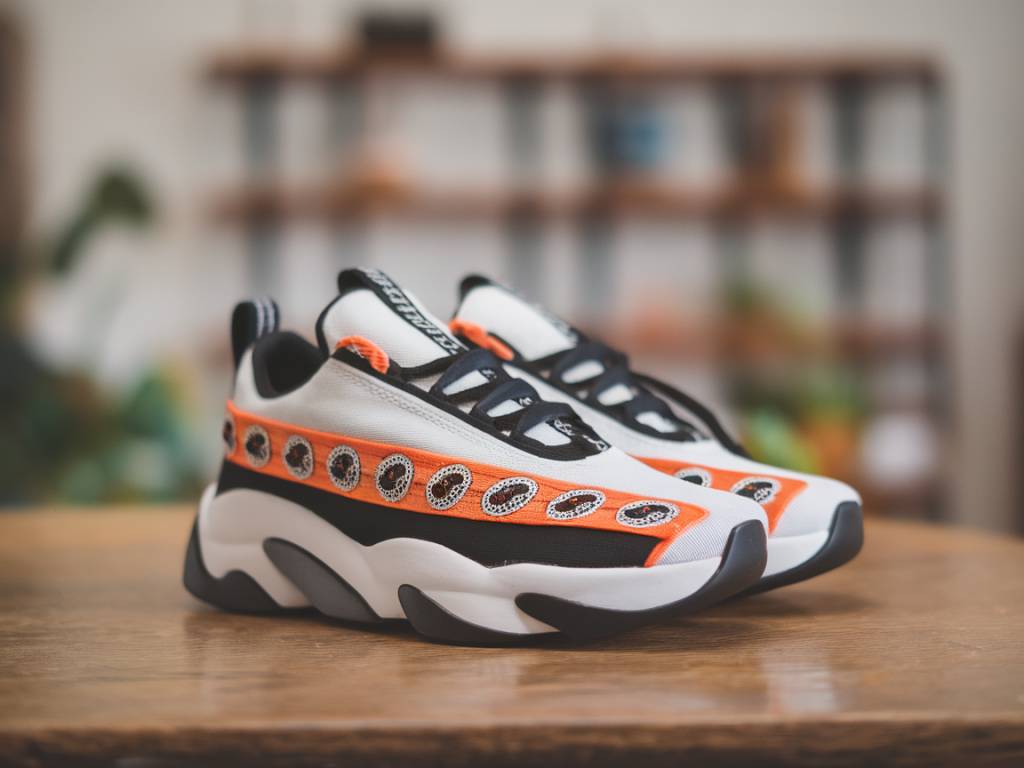
- Comfortable loafers or low-heeled shoes with a polished shape.
The 1920s woman did not necessarily need an extravagant gown to look put together. She needed good proportions, thoughtful details, and clothing suited to her day. That philosophy feels wonderfully modern.
Use colour with confidence
Black became a celebrated fashion colour during the 1920s, especially for eveningwear, but the decade was far from colourless. Fashion illustrations featured jewel tones, soft pastels, ivory, gold, silver, and rich shades of red and green.
The key was often contrast. A dark dress might be brightened with a pale collar. A cream ensemble could be finished with black shoes and a dramatic handbag. Metallic accents added light without requiring an entirely glittering outfit.
One of my favourite ways to apply this lesson is to build an outfit around a restrained colour palette and then introduce one unexpected shade. Imagine chocolate brown with turquoise earrings, black with vivid coral shoes, or ivory with a deep emerald handbag.
Before buying another neutral piece, take a moment to consider whether your wardrobe needs a small burst of colour instead. A colourful accessory is often enough to make familiar basics feel new.
Find your signature detail
Fashion magazines from the 1920s often presented a complete image: the dress, the hairstyle, the hat, the shoes, and even the attitude. Yet the most memorable looks usually had one defining detail. It might have been a dramatic collar, a geometric clasp, a row of buttons, or an unusually elegant pair of shoes.
This suggests a valuable styling exercise: choose one signature element that feels unmistakably you. Perhaps it is red lipstick, sculptural earrings, silk scarves, patterned socks, or a collection of beautiful belts.
A signature detail does not need to be loud. In fact, the most effective ones are often quiet and consistent. A friend of mine always wears a small gold watch, no matter how casual her outfit. It has become part of her visual identity, just as much as her haircut.
When people ask how to develop personal style, I rarely recommend following more trends. I suggest noticing what they repeatedly choose, what they instinctively reach for, and what makes them feel most at ease. Personal style grows from recognition.
Borrow the elegance of Art Deco
The Art Deco movement shaped 1920s fashion through its love of symmetry, geometry, and luxurious materials. Its influence appeared in jewellery, handbags, textiles, embroidery, and even the typography of magazine advertisements.
You can incorporate this aesthetic without turning your home or wardrobe into a museum display. Look for clean geometric earrings, fan-shaped motifs, stepped patterns, rectangular handbags, and accessories in black, gold, silver, or ivory.
An Art Deco-inspired accessory works particularly well with modern tailoring. Try a geometric pendant with a white shirt, a structured metallic bag with a monochrome outfit, or angular sunglasses with a simple linen dress.
The result feels polished rather than nostalgic. That is the beauty of borrowing from a design movement: you take its vocabulary, then create your own sentence.
Confidence is the most timeless accessory
Perhaps the most enduring message in 1920s fashion imagery is the importance of confidence. The women pictured in these magazines often appear poised, energetic, and ready to be seen. Their clothes were not designed to make them disappear into the background.
Of course, confidence does not mean feeling perfectly comfortable every minute. Sometimes it means wearing the outfit that makes you stand a little taller, even if you are still getting used to it. It can be as simple as choosing a bold lipstick, showing your ankles, or wearing a colour you usually avoid.
I remember buying a beaded evening jacket that seemed far too glamorous for my ordinary life. For months, I kept it in the wardrobe, waiting for the right occasion. Eventually, I wore it with jeans to a small dinner. Nothing dramatic happened—except that I felt fantastic. The jacket did not need a grand event. It needed a chance.
That may be the most useful lesson of all: do not save your favourite style ideas for a distant, imaginary moment. Fashion is part of daily life. Let it accompany you.
How to create a modern 1920s-inspired outfit
If you would like to experiment with the decade, begin with pieces you already own. A modern interpretation should feel natural, not like a costume. The goal is to capture the mood: ease, glamour, movement, and individuality.
- For daytime: wear straight-leg trousers, a silk blouse, T-bar flats, and a structured handbag.
- For the office: try a longline blazer, a simple shift dress, geometric earrings, and low heels.
- For dinner: choose a black slip dress with a beaded clutch and a long necklace.
- For a party: combine a sequined top with tailored trousers rather than adding sparkle everywhere.
- For a casual look: pair a relaxed knit dress with a slim scarf, loafers, and a small vintage-inspired bag.
Keep the hair and makeup modern if you prefer. You might add a defined lip or softly waved hair, but there is no need to recreate an entire historical beauty routine. A hint is often more chic than a literal interpretation.
Let vintage inspiration sharpen your shopping habits
Looking at 1920s fashion magazines has changed the way I shop. Instead of asking only whether a garment is fashionable right now, I ask whether it has a strong silhouette, whether it can be styled in several ways, and whether it expresses something about me.
I also pay more attention to construction. Interesting buttons, a beautiful lining, carefully placed pleats, and quality fabric can make a simple garment feel special. These details may not shout from across a room, but they reward a closer look.
Before adding something to your basket, consider these questions:
- Does the shape suit the way I actually live?
- Can I wear it with at least three pieces I already own?
- Is there one detail that makes it memorable?
- Will I still enjoy it when the current trend fades?
- Does it make me feel more like myself?
That final question is essential. The most beautiful fashion era is the one that helps you feel comfortable in your own present moment. The 1920s can inspire the silhouettes, accessories, and sparkle, but your personality should remain the star.
After all, timeless style is not about looking as though you have stepped out of an old magazine. It is about discovering the ideas that still make sense today—and giving them your own wonderfully modern twist.