There is something irresistible about opening a fashion magazine from the 1920s. The pages feel elegant, theatrical and wonderfully confident, as if every illustration were whispering, “Why blend in when you can make an entrance?” A century later, these magazines still offer a treasure trove of style ideas: fluid silhouettes, graphic patterns, daring accessories and a fresh attitude towards femininity.
For anyone who loves fashion history—or simply enjoys finding inspiration beyond the usual trend cycle—1920s magazines are an extraordinary source. They reveal what women wanted to wear, how designers presented their collections and how modern shopping culture began to take shape. More than beautiful objects, these publications were visual guides to a changing society.
So, let’s turn the pages together and explore the glamorous world of 1920s fashion magazines, from Parisian couture to American department-store style. Your wardrobe may never look at a drop-waist dress in quite the same way again.
A decade that changed the fashion conversation
The 1920s arrived after the First World War with a powerful desire for movement, pleasure and renewal. Clothing became less restrictive, and fashion imagery reflected that transformation. Corsets gradually loosened their hold, hemlines rose, and dresses were designed with dancing, walking and socialising in mind.
Fashion magazines played an important role in spreading these ideas. They brought the latest Paris collections into homes far away from couture salons. A reader in London, New York or Chicago could discover the newest silhouettes, accessories and beauty trends without travelling to the Rue de la Paix.
Of course, the decade was not identical for everyone. Magazine pages often presented an idealised, affluent lifestyle filled with cocktail parties, ocean liners and luxurious interiors. Yet their influence reached a much wider audience through illustrations, sewing patterns, advertisements and department-store collaborations.
The most important shift was perhaps the way magazines encouraged women to think of fashion as personal expression. Clothes were no longer only about tradition or social rules. They could communicate independence, modernity and a playful sense of identity. A very appealing idea, even today.
The magazines that defined the era
Several publications became essential style references during the 1920s. Their pages combined fashion reporting, illustration, lifestyle advice and advertising, creating a complete fantasy of modern living.
- Vogue: Already established by the beginning of the decade, Vogue offered an influential view of haute couture, society style and luxury accessories. Its covers and fashion illustrations helped transform clothing into a sophisticated visual language.
- Harper’s Bazaar: Founded in 1867, the magazine developed a more artistic and modern identity during the 1920s. It connected fashion with photography, design and culture, making each issue feel like a carefully curated object.
- Vanity Fair: Known for its interest in theatre, literature, art and society, Vanity Fair placed fashion within a broader cultural world. Its imagery captured the glamour of celebrities, performers and creative personalities.
- British Vogue: Launched in 1916, the British edition offered its own interpretation of international fashion, balancing Parisian elegance with a distinctly British sensibility.
- The Delineator and McCall’s: These magazines were particularly valuable for women who wanted to make their own clothes. Their patterns and practical advice helped translate fashionable silhouettes into real wardrobes.
French publications also shaped the decade’s visual identity. Titles such as Femina and Le Journal des Dames et des Demoiselles presented fashion through elegant illustrations, society features and beauty advice. Meanwhile, couture houses understood that a striking magazine image could be almost as powerful as a salon presentation.
The art of the fashion illustration
Before photography became the dominant language of fashion, illustration gave magazines their distinctive charm. Artists did not simply reproduce garments; they interpreted them. A pose could make a dress look more fluid, a line more dramatic or a hat more magnificent than it might appear in real life.
One of the most recognisable names associated with the period is George Barbier, whose refined illustrations captured the elegance and theatricality of the Art Deco era. Erté, the celebrated artist and designer, also created extraordinary fashion imagery filled with elongated figures, geometric details and extravagant accessories.
These illustrations often emphasised the complete look. A dress appeared alongside a cloche hat, a long necklace, a pair of gloves or a carefully positioned handbag. The message was clear: style lived in the details. A simple outfit could become memorable with the right finishing touches.
What I love most about these images is their sense of movement. Even when the model is standing still, the fringe seems ready to swing and the silk appears to catch the light. The illustrations invite us to imagine the woman wearing the clothes rather than presenting her as a distant mannequin.
For a modern wardrobe, this is a useful reminder. Instead of asking only, “Is this piece trendy?”, try asking, “What mood does it create?” A beaded bag, a satin headband or a pair of dramatic earrings can change the story of an entire outfit.
The signature silhouette of the Roaring Twenties
The most famous shape of the decade was the straight, relaxed silhouette. Dresses often fell from the shoulders with little emphasis on the waist, creating a long, fluid line. The natural waist was replaced by a dropped waist, usually positioned around the hips.
This shape worked beautifully with the social changes of the period. Women wanted clothes that allowed them to move freely, dance energetic new steps and participate in a more active public life. The fashionable figure was youthful, streamlined and deliberately different from the hourglass shapes of earlier decades.
Magazine illustrations frequently showed:
- Drop-waist dresses with loose, comfortable construction.
- Knee-length hemlines, often worn with decorative stockings.
- Fringe, beads and sequins designed to move while dancing.
- Soft jersey, silk, velvet and lightweight wool.
- Cloche hats fitted closely around the head.
- Long necklaces, especially strings of pearls.
- Low-heeled Mary Janes and T-bar shoes.
The silhouette was not always as simple as it first appears. Evening dresses could be elaborately embroidered, layered with chiffon or finished with dramatic draping. Daywear might feature collars, cuffs, pleats and bold geometric patterns. The relaxed shape created a canvas for decoration.
If you would like to bring this idea into your wardrobe without looking as though you are attending a period costume party, choose one element rather than recreating the entire look. A straight-cut midi dress with modern shoes can evoke the era beautifully. Add a beaded clutch and the reference becomes more obvious—but still wonderfully wearable.
Art Deco glamour between the pages
The 1920s were also the golden age of Art Deco, and magazines embraced its visual vocabulary. Zigzags, sunbursts, stepped forms, fans and symmetrical patterns appeared in covers, advertisements, jewellery and textile design.
This graphic style made fashion imagery instantly recognisable. Black and gold combinations suggested luxury, while silver, ivory, emerald and deep red created a rich, cinematic palette. Even typography became part of the glamour, with sharp lines and elegant lettering framing the page.
Art Deco influences were especially visible in eveningwear. Dresses shimmered under artificial light, and designers used beads, metallic thread and sequins to create movement. A woman entering a ballroom could become a living illustration, sparkling with every step.
Today, Art Deco remains easy to introduce through accessories. Try geometric earrings, a structured handbag, a fan-shaped hair clip or shoes with a metallic detail. These touches add polish without requiring a fully embellished dress. Personally, I think a black outfit with gold geometric jewellery is one of the easiest ways to achieve instant 1920s energy—preferably with excellent lighting and no intention of leaving the dance floor early.
Fashion photography and the new modern woman
During the 1920s, photography became increasingly important in magazines. Images began to present fashion with a more natural sense of movement and personality. Models were photographed outdoors, in interiors and in social settings, helping readers imagine how clothing might fit into everyday life.
The modern woman shown in these pages was active and visible. She might be driving, travelling, attending a sports event, enjoying a seaside holiday or dancing at a glamorous party. This was a significant change from fashion imagery focused only on formal portraiture.
Magazines also featured actresses, dancers and socialites whose personal style attracted public attention. Celebrity dressing was not yet the instant, digital phenomenon we know today, but the basic idea was already present. Readers wanted to know what stylish women wore and how they created their distinctive image.
That connection between fashion and personality feels very contemporary. We still look to public figures for inspiration, but the best lesson from the 1920s is not to copy a complete outfit. It is to identify the qualities that appeal to us: confidence, elegance, boldness, simplicity or a touch of mystery.
Beauty pages, accessories and the complete look
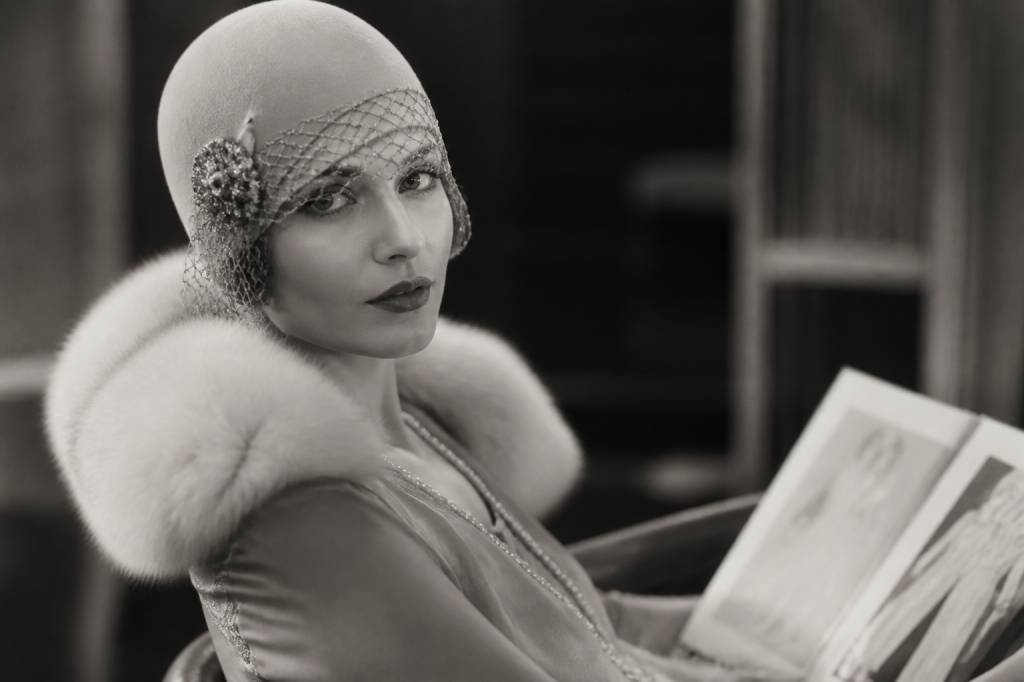
Fashion magazines of the era understood that style did not stop at the dress. Beauty pages discussed bobbed hair, defined eyes, dark lips and practical skincare routines. The short bob became one of the decade’s most recognisable symbols, representing independence and a break with older conventions.
Make-up was often presented as a way to enhance expression. Darker lips, softly smoky eyes and carefully shaped brows created the polished look associated with evening glamour. However, daytime beauty could be more restrained, especially in publications aimed at a broader readership.
Accessories received plenty of attention too. The cloche hat was a true fashion statement, sometimes decorated with ribbons, feathers or brooches. Long gloves added elegance to formal occasions, while compact handbags became essential companions for lipstick, powder and other small necessities.
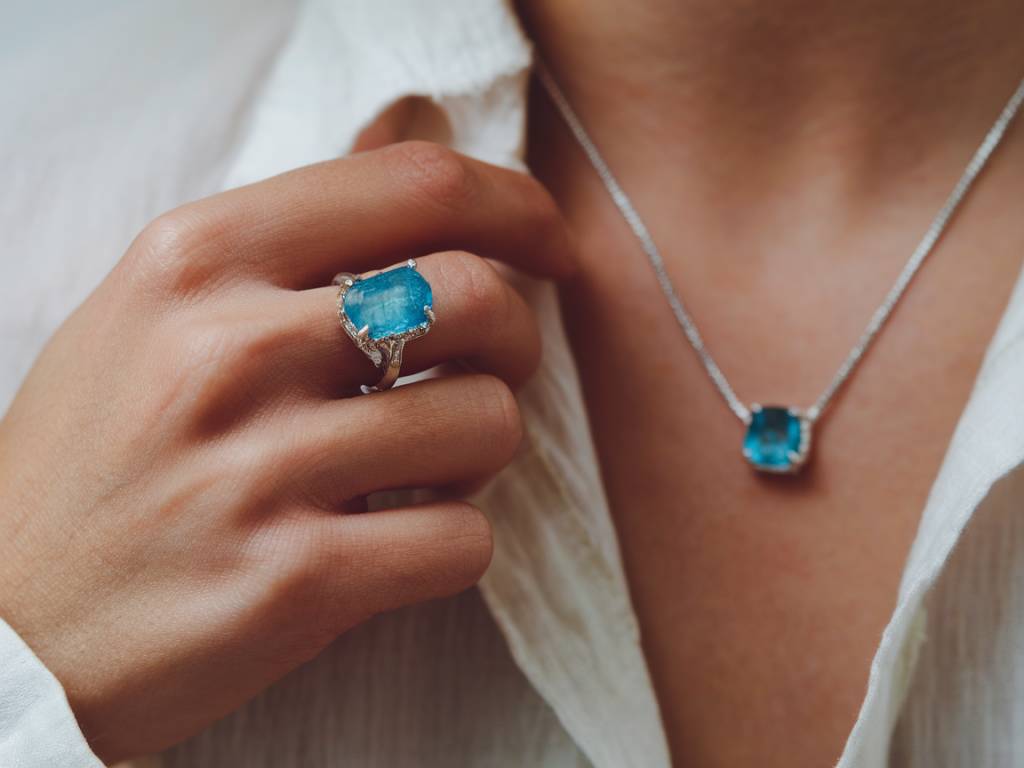
One particularly charming detail is the importance of costume jewellery. Pearls, paste diamonds and decorative earrings allowed women to enjoy the appearance of luxury at more accessible prices. The same principle applies to modern shopping: a carefully chosen accessory can provide far more impact than a wardrobe full of forgettable pieces.
How 1920s magazines influenced shopping
These publications were not only sources of inspiration; they were also powerful shopping guides. Advertisements introduced readers to department stores, perfume houses, shoe brands, beauty products and ready-to-wear labels. Fashion became increasingly connected to consumer choice.
Department stores helped translate couture ideas into more affordable clothing. Magazine readers could see a Paris-inspired silhouette and then search for a similar shape in local shops or recreate it with a printed pattern. Sewing columns made fashion feel practical and achievable.
This relationship between editorial content and shopping remains familiar. We may now save an outfit on Pinterest, follow a stylist on Instagram or add a favourite item to an online wish list, but the desire is similar: discover an idea, imagine it in our own lives and find a way to make it personal.
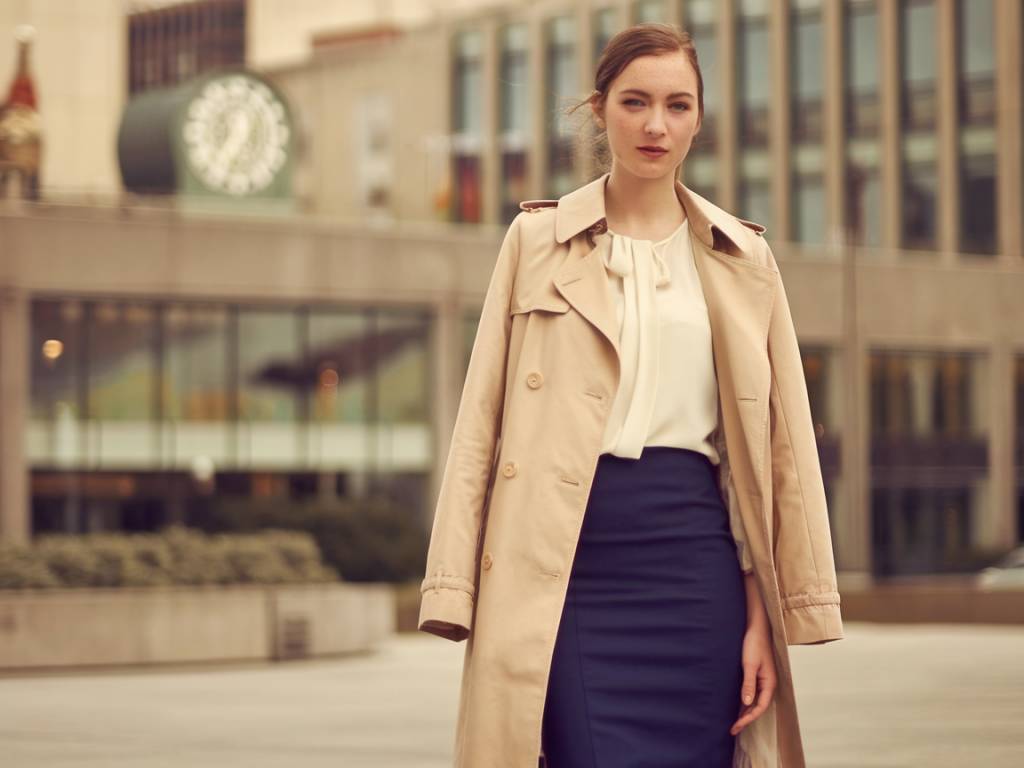
When browsing contemporary collections, look for details that echo the period without becoming overly literal. Fluid dresses, bias-cut skirts, geometric prints, satin textures and embellished accessories can all suggest 1920s glamour while fitting comfortably into a modern wardrobe.
Easy ways to wear the inspiration today
Inspired to experiment? The secret is balance. A complete vintage look can be spectacular, but everyday style usually works best when historical references are mixed with contemporary pieces.
- Pair a loose midi dress with sleek ankle boots and a structured handbag.
- Wear a long strand of pearls over a simple knit rather than a heavily decorated dress.
- Choose a cloche-inspired hat for a special occasion, then keep the rest of the outfit modern.
- Try metallic shoes or geometric earrings with a minimalist black ensemble.
- Look for fringe on a bag or skirt instead of wearing head-to-toe embellishment.
- Choose a dropped-waist shape if you enjoy relaxed, comfortable silhouettes.
- Use deep burgundy, emerald or champagne tones to evoke evening glamour.
My favourite approach is the “one glamorous clue” method: one accessory or one texture inspired by the decade, combined with pieces you already love. It keeps the outfit fresh and lets your personality lead the way.
Why these magazines still feel relevant
1920s fashion magazines continue to fascinate us because they captured a moment of reinvention. Their pages reflected women testing new freedoms, designers exploring new shapes and a society eager to embrace modern life. The glamour was real, but so was the sense of movement beneath it.
They also remind us that trends are rarely entirely new. The relaxed tailoring, party dressing, statement jewellery and graphic prints we admire today all have earlier chapters. Looking back does not mean dressing in the past; it means discovering a richer vocabulary for the present.
Next time you see a beaded handbag, a fluid dress or a bold geometric print, imagine it appearing in the pages of a 1920s magazine. Would it be illustrated with dramatic movement? Styled with pearls? Worn to an evening of jazz and dancing? Fashion becomes much more fun when we allow ourselves to play with its stories.
For me, that is the true magic of these vintage magazines. They do not simply tell us what women wore. They show us how clothing can express optimism, independence and a little bit of theatre. And honestly, who could resist adding a touch of that to their next shopping adventure?