Why I’m So Obsessed With Augmented Reality in Fashion Right Now
Shopping for clothes and accessories online used to be a gamble for me. I would fall in love with a dress, wait impatiently for the parcel, open it like it was Christmas morning… and then realize the fit was off, the color wasn’t what I expected, or the style just didn’t suit my body shape. Sound familiar?
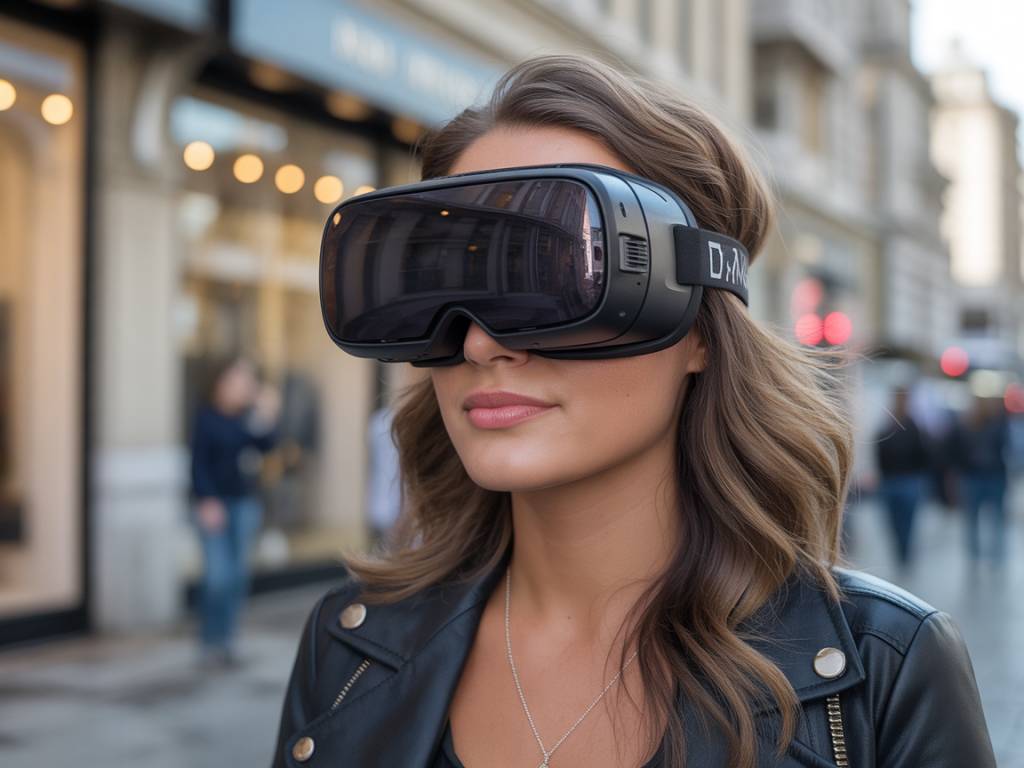
Augmented reality (AR) is changing that story completely. Instead of guessing how something might look, I can now see it on me—or in my space—in real time. I’m talking about trying on sunglasses from my sofa, checking how a handbag looks with my favorite coat, or even previewing sneakers with my actual jeans, all through my phone or laptop camera.
In this article, I want to walk you through how I personally use augmented reality to transform my online fashion shopping, what’s worth trying, what to avoid, and how you can use these tools to make more confident style decisions while avoiding the “return pile” that we all secretly dread.
What Augmented Reality Really Means for Fashion Shoppers
In simple terms, augmented reality layers digital items—like clothes, shoes, or accessories—on top of your real-world image. Instead of looking at a static product photo, you can:
- Try on makeup shades on your actual face.
- See a pair of glasses following your movements in real time.
- Overlay a dress or jacket on your body via your camera.
- Place a bag or pair of shoes “on” you or next to you to check size and proportions.
It’s not perfect (yet), but it’s already much closer to a fitting room experience than scrolling through product images and hoping for the best.
How I Use AR to Shop for Accessories (Glasses, Hats, Earrings & More)
Accessories are where AR truly shines for me. They’re smaller, easier to map digitally, and the try-on experience is usually very accurate.
Here’s how I typically use AR when I’m shopping for accessories online:
- Sunglasses and optical frames: I open the brand’s virtual try-on tool, activate my camera, and the glasses appear on my face instantly. I turn my head left and right to see the side profile, check how wide the frames are, and test different colors. This helps me avoid frames that are too wide for my face or shapes that don’t flatter my features.
- Hats and caps: Some brands now offer AR hats that sit on your head in real time. I use this to see if a bucket hat overwhelms my face or whether a beret feels balanced with my hairstyle and face shape.
- Earrings: AR works surprisingly well for statement earrings. I can see if they sit too low on my neck, if they clash with my haircut, or if the shape feels elegant or too loud for daily wear.
If you have a smaller face or very specific features (like a low nose bridge or big curls), AR try-ons can save you from ordering accessories that are proportionally off. For me, it’s been a game-changer with oversized sunglasses and chunky hoops.
Using AR for Clothes: What Works and What Doesn’t (Yet)
Let me be honest: full AR clothing try-on is still a work in progress. Some tools are better than others, and I’ve learned to use them as a guide, not as an absolute truth.
Here’s what I’ve noticed from my own shopping sessions:
- Tops, jackets and dresses: When brands offer AR or 3D try-ons that map clothes onto your body, I use them mainly to check style and vibe rather than exact fit. I look at where the hem falls, the neckline, the overall silhouette and how the color works with my skin tone.
- Length checks: AR is helpful to guess whether a dress might be too short or whether a long coat will drown me (I’m not very tall, so this is crucial for me).
- Silhouette preview: For oversized pieces, cropped tops or very fitted dresses, AR previews help me see whether the proportions are flattering—for example, whether a cropped jacket ends at the right point on my waist.
Where AR still struggles is with very precise fit: how tight the waist is, whether a fabric will cling, or exactly how something drapes on curves. I still rely on size charts, customer photos and fabric descriptions, but AR gives me that extra visual confirmation that makes me feel less like I’m guessing in the dark.
Virtual Try-On for Shoes and Sneakers
Shoes are another category where AR can be surprisingly useful. I’ve used AR try-on for everything from chunky sneakers to sleek ankle boots.
Here’s how I get the most out of it:
- Proportions with my legs: I point my phone at my feet and watch the virtual shoes appear. This helps me see if a sneaker looks too bulky with my ankles or if an ankle boot cuts my leg at an awkward point.
- Styling with real clothes: I love wearing my go-to jeans or leggings while I try on shoes with AR. That way I can see the complete outfit, not just my feet in isolation.
- Checking color choices: If I hesitate between white, beige or black sneakers, AR lets me quickly swap colors and see which one works best with my usual outfits.
One thing AR can’t fully show yet is comfort, of course. So I still read reviews about sizing and cushioning, but visually, AR has helped me avoid buying shoes that look amazing in product shots but feel too heavy or massive once styled with my actual wardrobe.
How to Set Up Your Space for a Better AR Shopping Experience
To get the most out of AR tools, I treat my “try-on session” almost like a real fitting room moment at home. Here’s what I pay attention to:
- Good lighting: I stand near a window or use a soft lamp. Better lighting makes the AR layers look more natural and the colors more accurate.
- Neutral background: I avoid standing in front of a messy wardrobe or brightly patterned wall. A clean background helps the camera detect my face and body more accurately.
- Wear base pieces you actually use: For accessories, I wear a simple top I’d normally pair them with. For shoes, I put on jeans or skirts I truly wear most days. This gives me a realistic idea of how often an item will work with my actual closet.
- Use both front and back camera if possible: Some tools let you upload photos or change angles. I try to see items from the side as well, especially for glasses, hats and shoes.
My Favorite Ways to Use AR to Refine My Personal Style
Beyond just “does this look good on me?”, AR has helped me clarify my style in a surprisingly deep way. Here’s how I play with it:
- Testing bolder pieces without pressure: I use AR to try on colors and shapes I would be too shy to order outright. Neon bags, exaggerated cat-eye sunglasses, metallic boots—seeing them on me virtually gives me the courage to experiment, or the clarity to say “not my vibe.”
- Building capsule outfits: Some apps and retailers let me save looks. I’ll try on a blazer, then a bag, then glasses, and screenshot the best combos. This helps me build mini capsule wardrobes visually before I even buy anything.
- Understanding my flattering shapes: After many AR try-ons, I noticed patterns: certain necklines always work, specific frame shapes flatter my face, and some shoe proportions make my legs look longer. AR kind of accelerated that self-knowledge for me.
Tips to Shop Smarter with AR (Without Getting Tricked by the Tech)
As magical as AR feels, I always keep a few rules in mind so I don’t get carried away:
- Use AR as a filter, not a final verdict: I let AR help me eliminate obvious “no’s” and highlight strong “maybes,” then I still check the product details, fabric, reviews and return policy.
- Pay attention to scale: Sometimes AR slightly distorts proportions. If a bag looks very small on AR but is labeled as “large” in the description, I trust the measurements more than the overlay.
- Don’t forget texture and movement: AR can’t fully show how silk drapes or how stiff denim feels yet. I read fabric information carefully, especially for investment pieces.
- Take screenshots: I screenshot good try-ons and compare them later instead of making emotional, instant purchases. Looking back with a cooler head often helps me see what I genuinely love.
Where You’ll Find the Best AR Fashion Experiences
Without listing specific brand names, I’ve noticed a few patterns in where AR fashion is currently the most interesting:
- Eyewear brands and optical retailers: They were early adopters of AR, and their virtual try-on tools are usually the most precise and refined.
- Beauty and makeup retailers: Lipsticks, foundations and eyeshadows with AR try-on are incredibly helpful to find your shade and your color palette.
- Large fashion platforms: Some big marketplaces now offer virtual shoe try-on, 3D body avatars or AR previews for selected brands.
- Sneaker and streetwear brands: These brands love tech and often experiment with AR for limited editions, special drops and exclusive colorways.
My advice is to look for “virtual try-on”, “view in AR” or “3D fit” buttons when browsing. If a brand offers it, I at least test it before adding anything to my cart.
Why AR Makes Online Fashion Shopping More Sustainable
There’s another side to AR that I’ve grown to appreciate: the impact on how we consume fashion. The more accurately we can preview items, the fewer “just in case” orders and impulse buys we make. For me, AR has:
- Reduced the number of returns I make, especially for accessories and shoes.
- Encouraged me to be more deliberate and curated in my purchases.
- Helped me build outfits in advance instead of buying random single pieces.
In a world where overconsumption is a real issue, using AR to make smarter decisions feels like a small but meaningful step. I’m still a fashion lover, still a shopper, but I feel more aligned with what I actually wear and cherish.
Bringing a Fitting Room to Your Living Room
For me, augmented reality hasn’t replaced the magic of stepping into a beautiful boutique and trying on clothes in person—but it has absolutely changed the way I shop online. It’s like having a portable fitting room that lives inside my phone: always available, always ready to help me experiment, refine and decide.
If you haven’t played with AR tools yet, I genuinely encourage you to start with something small: try on a pair of sunglasses, test a lipstick shade, or preview a pair of sneakers. Observe how you feel, how confident or hesitant you are, and how it influences your final choice.
From there, you can build your own AR routine and turn your online fashion browsing into a much more creative, playful and informed experience—one where your style, your body and your real life are finally part of the shopping equation.